
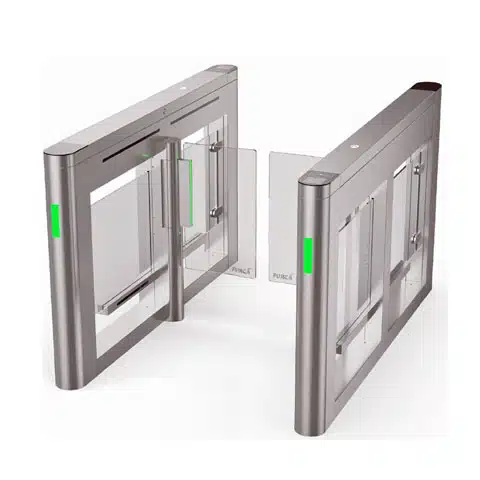
Sentinel Z23 Fast Access Swing Gate
High speed, precise opening/closing speeds - safe, secure and efficient pedestrian access control The Sentinel Z23 Fast Access Swing Gate features a brushless DC motor and servo control t...Read More
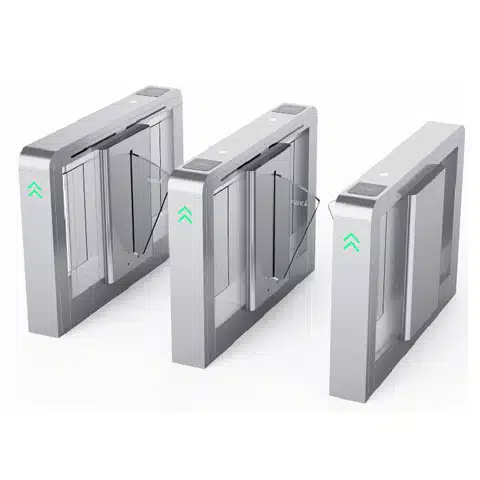
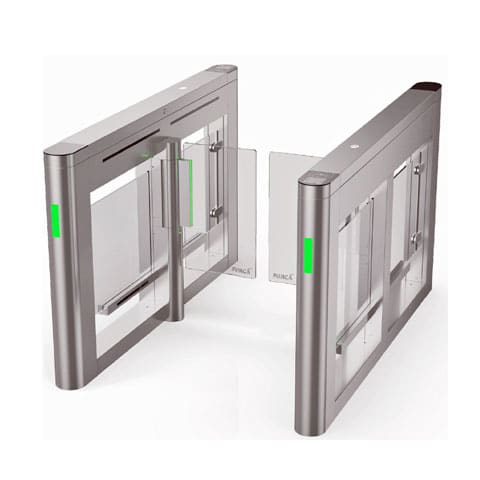
Sentinel Z58B Flap Barrier
The Sentinel Z58B flap barrier is an innovative pedestrian access control solution designed for versatility in various venues, including indoor and outdoor settings such as communities and office buil...Read More
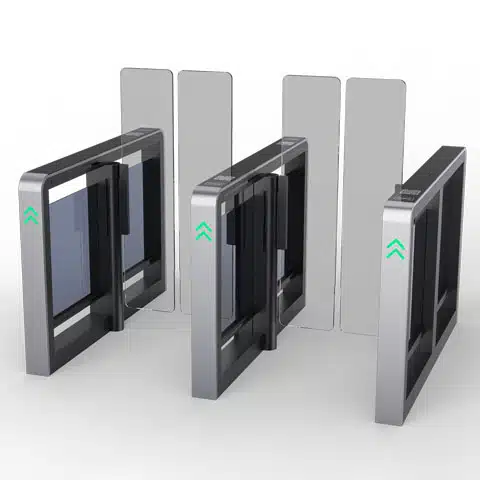
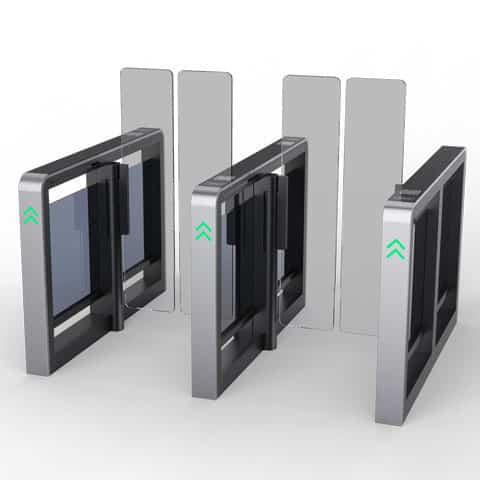
Z26 High Glass Doors Fast Access Swing Gate
High speed, precise opening/closing speeds - safe, secure and efficient pedestrian access control with high glass swing doors Z26HG High Glass Doors Fast Access Swing Gate is made of dura...Read More
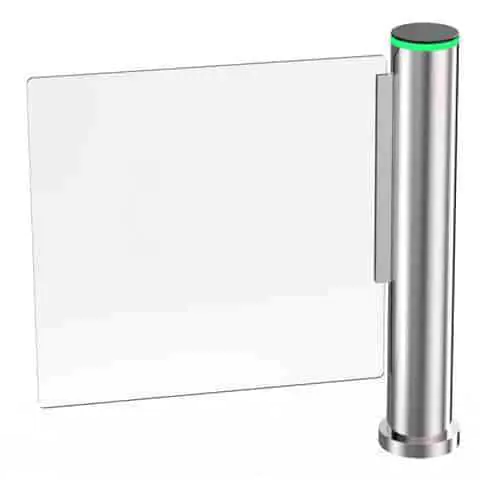
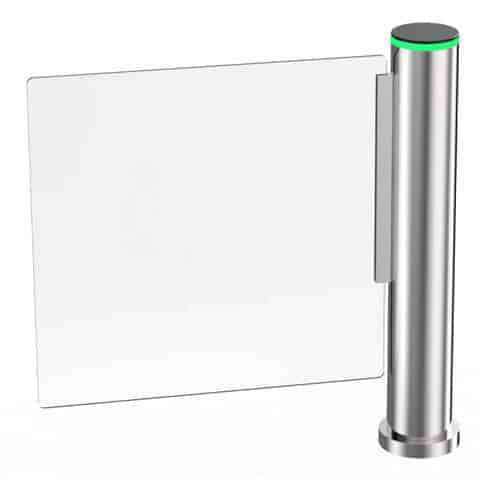
DS8000 Single or Double Glass Speed Gate
Stainless Steel (304) cylinder, bi-directional glass speed gate DS8000 Single Glass Speed Gate features a sleek, ultra-slim 168mm cylindrical design with a full-height single-piece plexig...Read More
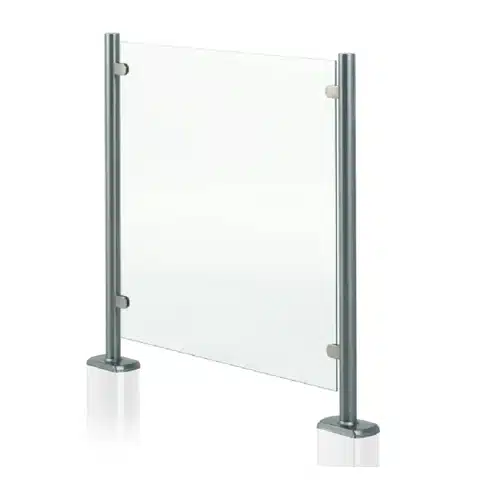

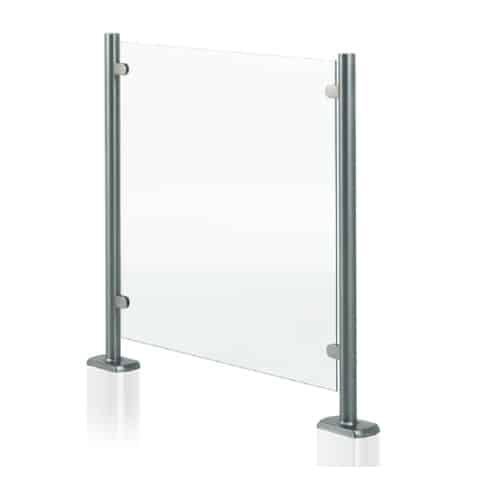
Modular Chrome Perspex Partition Systems
Contemporary, discreet and stylish transparent partitions for passage limitation around entry and exit systems, gates and turnstiles. These modular and versatile chrome posts and Perspex partitions ...Read More
Speed Gates & Flap Barriers
Our security speed gates and flap barriers boast quick opening speeds that incorporate both security and safety, offering many features and options to deliver solutions for all entry and exit scenarios.
Security Speed Gates for High-Volume Entry Control
Security speed gates are designed to deliver fast, reliable, and controlled pedestrian entry and exit in busy environments where large volumes of people must pass through quickly and securely. These modern access control solutions combine sleek and discreet design with advanced detection technology to provide a safe and efficient entry experience for offices, transport hubs, stadiums, gyms, and other high-traffic facilities.
A typical speed gate uses optical sensors, infrared detection, and intelligent control systems to monitor movement and prevent unauthorised entry. These systems ensure that only authorised individuals pass through, reducing tailgating or trespassing. When integrated with RFID readers, QR scanners, biometric systems, or any other access control device, security speed gates provide a seamless and automated entry process that enhances both security and operational efficiency. Most systems also include LED indicators, alarm alerts, and multiple sensors to detect obstruction or incorrect passage direction.
Modern speed gates are also engineered for high throughput. Their quick opening and closing mechanisms allow large numbers of people to pass during peak periods without creating bottlenecks. Security speed gates are the ideal solution for corporate buildings, leisure centres, and public venues where pedestrian traffic fluctuates throughout the day.
In addition to functionality, aesthetics also plays a role. A contemporary speed gate often features stainless steel housings, glass barriers, and LED indicators, creating a professional and welcoming entry point while still maintaining robust security control. By combining advanced access technologies with high-speed operation, speed gates provide a safe and effective solution for organisations seeking both secure and efficient pedestrian entry management.
Flap Barriers for Controlled Pedestrian Access
An automatic flap barrier is a sophisticated pedestrian access control solution designed to regulate entry while maintaining smooth traffic flow. Typically installed in corporate buildings, gyms, leisure centres, and transport facilities, these systems provide a clear physical barrier that opens only when authorised access is granted. This helps maintain security while ensuring visitors and staff move through entry points quickly and efficiently.
A flap barrier system usually consists of two retractable flaps positioned within a sleek cabinet. When a user presents valid credentials—such as an RFID card, QR code, or biometric identification—the flaps retract, allowing entry. Once the person passes through, the flaps close automatically, ensuring only one individual enters per authorisation. This design allows the flap barrier gate to effectively prevent tailgating and unauthorised access.
Often referred to as a flap turnstile, this type of access control solution is ideal for locations with moderate to high pedestrian traffic. The fast-opening speed and responsive sensors allow people to pass through quickly while maintaining a high level of safety and reliability. Most systems also include LED indicators, alarm alerts, and multiple sensors to detect obstruction or incorrect passage direction.
A flap barrier system can be configured for single or multi-lane entry points, bi-directional traffic, and integration with existing security infrastructure such as ticketing systems, membership databases, or building access control platforms.
Read our integration guide for a closer look at compatible protocols and credential types.